West Palm Beach Pest Control - #1 in Pest Solutions ($57 Plans)
Precision Pest Control delivers exceptional residential and commercial pest management services, specifically designed to meet the unique environmental challenges of West Palm Beach, Florida. Our skilled team combines local knowledge with advanced pest control methods to effectively tackle the distinct range of pests typical to West Palm Beach, ensuring thorough and lasting protection for homes and businesses alike.
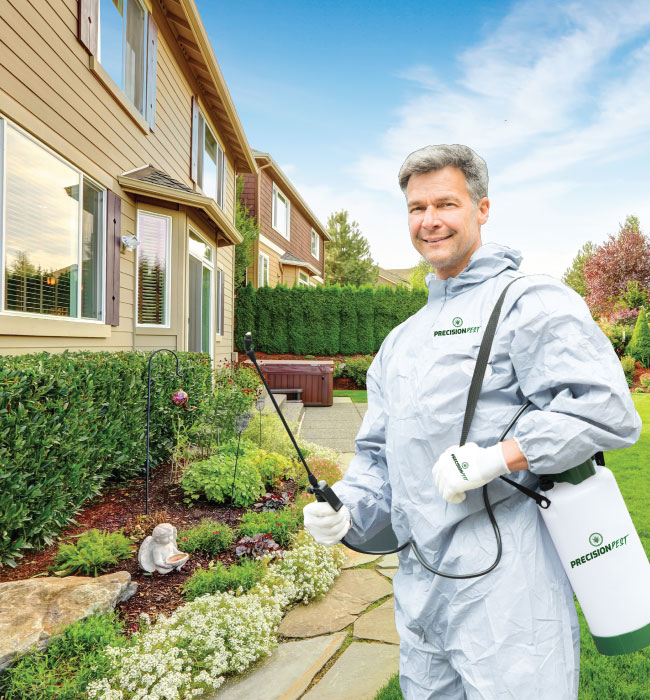

At Precision Pest Control, we have an extensive understanding of West Palm Beach, Florida, a city renowned for its stunning landscapes and the unique pest challenges they present. In West Palm Beach, we regularly face pests such as ants, cockroaches, termites, mosquitoes, rodents, spiders, fleas, ticks, and bed bugs, each thriving in the area's warm, tropical climate. Leveraging our deep knowledge of these pests, we offer highly effective, customized pest control solutions to protect both residential and commercial properties in West Palm Beach, ensuring a safe and pest-free environment for our clients.
Pests we Specialize in Removing and Preventing








Pest Control Services from $57!
Schedule a FREE Estimate
Qualified and Trained Technicians

Proven Track Record and Reviews

Eco-Firendly and Safe Solutions

Transparent Pricing and Guarantee
West Palm Beach, Florida, known for its picturesque beaches and tropical climate, also faces its share of pest-related challenges unique to such an environment. The warm and humid weather is ideal for pests like ants and cockroaches to thrive, often leading to infestations in both residential and commercial settings. Termites are a major concern in the area, posing risks to the structural integrity of buildings, while mosquitoes, favored by the local climate, present both a nuisance and a health risk. Additionally, the city's residents and businesses must deal with pests such as rodents, spiders, fleas, ticks, and bed bugs, each of which requires a tailored approach for effective management.
Precision Pest Control has established itself as the premier pest control service in West Palm Beach, adeptly addressing these specific pest issues. Our success is rooted in our deep understanding of the local pest population, their habits, and habitats, allowing us to develop targeted, environmentally conscious pest control strategies. We use the latest technology and methods in pest control, ensuring our services are not only effective in eradicating current infestations but also in preventing future outbreaks. Our commitment to customer satisfaction and our comprehensive approach to pest management make Precision Pest Control the top choice for those seeking reliable and effective solutions to their pest problems in West Palm Beach.
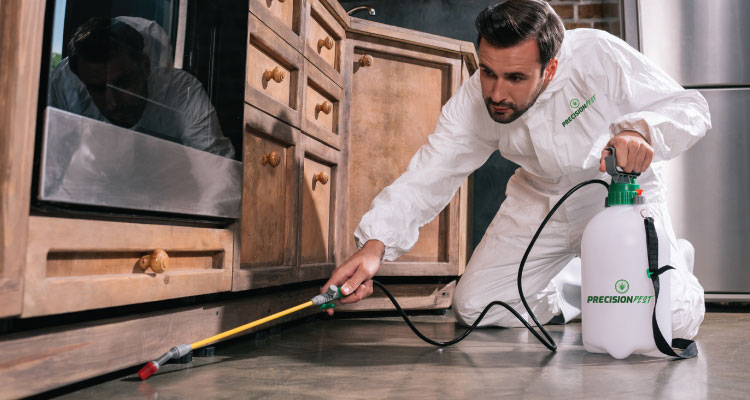

See at Pest World!




See at Pest World!

Our Pest Control Service Locations
Florida
Arizona
Texas
Tennessee
Utah
Alabama
Hawaii
Pennsylvania
North Carolina
