Sugar Land Pest Control - #1 in Pest Solutions ($57 Plans)
Precision Pest Control provides top-tier pest management services for both residential and commercial clients in Sugar Land, Texas, expertly addressing local challenges such as the invasive Tawny crazy ant and persistent mosquito populations. Our Sugar Land-specific approach combines innovative, eco-friendly solutions with an in-depth understanding of the area's distinct pest ecology, ensuring effective and sustainable pest control tailored to the unique needs of the Sugar Land community.
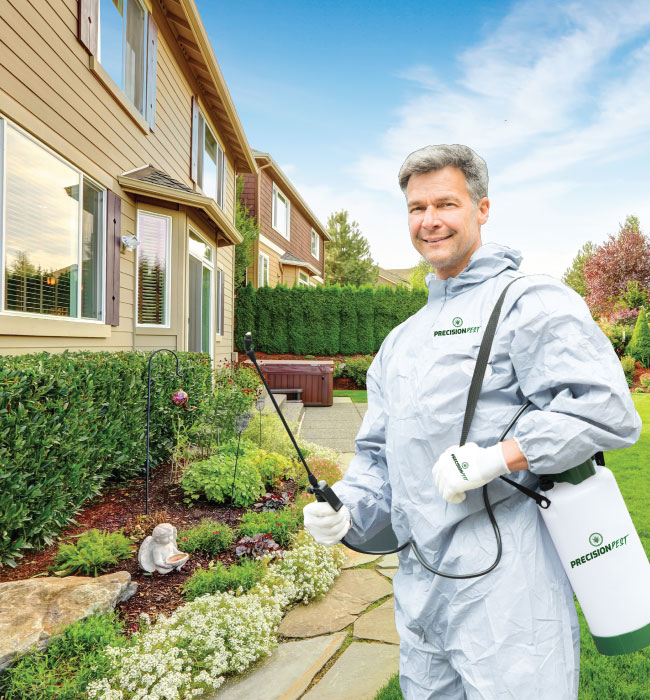

As a seasoned pest control specialist at Precision Pest Control in Sugar Land, Texas, I have a thorough understanding of the diverse pest challenges that our community faces. In Sugar Land, we regularly deal with pests like the Tawny crazy ant, mosquitoes, termites, cockroaches, fire ants, spiders, rodents, and silverfish, each requiring a unique strategy for effective management. My extensive experience in this area equips me with the knowledge to provide customized, effective solutions that ensure the safety and comfort of both residential and commercial properties in Sugar Land.
Pests we Specialize in Removing and Preventing







Pest Control Services from $57!
Schedule a FREE Estimate
Qualified and Trained Technicians

Proven Track Record and Reviews

Eco-Firendly and Safe Solutions

Transparent Pricing and Guarantee
Precision Pest Control is the epitome of effective, reliable, and safe pest elimination. In Sugar Land, a city renowned for its strong economic growth and vibrant community, we align our services with these same values, offering a dynamic approach to pest control that mirrors the city's own focus on quality and development. We are to pest control what Sugar Land is to thriving Texas communities—a standard-bearer. Opt for Precision Pest Control, and you'll find a service that not only meets your needs but exceeds them, just as Sugar Land exceeds expectations in offering a rich, fulfilling lifestyle.
See at Pest World!





See at Pest World!

Our Pest Control Service Locations
Florida
Arizona
Texas
Tennessee
Utah
Alabama
Hawaii
Pennsylvania
North Carolina
