Vancouver Pest Control - #1 in Pest Solutions ($57 Plans)
Precision Pest Control offers specialized pest management services for both residential and commercial clients in Vancouver, Washington, tailored to the unique challenges of this Pacific Northwest city, known for its damp climate and lush landscapes. Our expertise in Vancouver includes effectively controlling local pests such as Pacific dampwood termites, Northwestern ants, and common household insects, ensuring a safe and pest-free environment for this rapidly growing and scenic community.


As Precision Pest Control, we are intimately familiar with the pest control challenges specific to Vancouver, Washington, a city renowned for its beautiful Pacific Northwest setting and damp, lush environment. In Vancouver, we expertly manage a range of pests that thrive in the region's climate, including Pacific dampwood termites, Northwestern ants, cockroaches, rodents, spiders, fleas, wasps, and mosquitoes. Our extensive experience with these pests, combined with our tailored approach to Vancouver's unique environmental conditions, enables us to provide effective, environmentally responsible pest management solutions for both residential and commercial properties, ensuring the safety and comfort of this vibrant and ecologically diverse community.
Pests we Specialize in Removing and Preventing












Pest Control Services from $57!
Schedule a FREE Estimate
Qualified and Trained Technicians

Proven Track Record and Reviews

Eco-Firendly and Safe Solutions

Transparent Pricing and Guarantee
In Vancouver, Washington, nestled in the picturesque Pacific Northwest, the region's damp climate and lush greenery create an ideal breeding ground for a variety of pests. This environment is particularly conducive to Pacific dampwood termites, which can cause significant damage to wooden structures, and Northwestern ants, known for their persistence. The city also faces challenges with other pests such as cockroaches, rodents, spiders, fleas, wasps, and mosquitoes. These pests are not only a nuisance but can pose significant health risks and property damage, making effective pest management a crucial service for maintaining the quality of life in this scenic area.
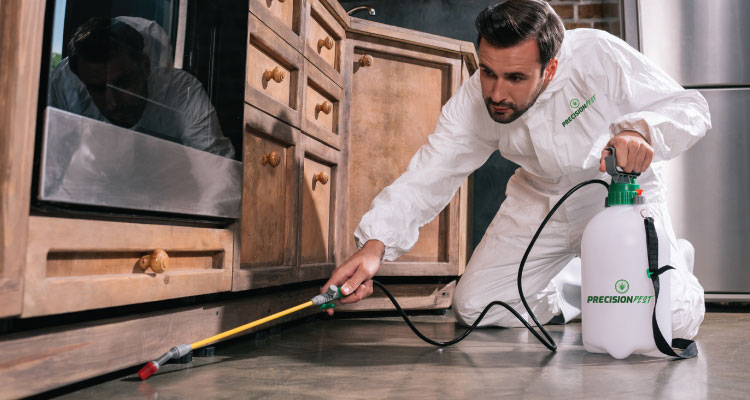
Precision Pest Control has established itself as the premier pest management service in Vancouver due to our specialized understanding of the local pest population and their unique behaviors. Our approach involves developing targeted, environmentally friendly treatment plans that are specifically designed for the pests found in the Pacific Northwest. We utilize the latest pest control technology and methods, ensuring both the effectiveness of our treatments and the safety of our clients. Our commitment to customer education and a focus on preventative strategies ensure not just immediate relief from pests but also long-term protection for our clients' properties. This comprehensive and client-focused approach is why Precision Pest Control is the top choice for effective, reliable pest management in Vancouver.

See at Pest World!





See at Pest World!

Our Pest Control Service Locations
Florida
Arizona
Texas
Tennessee
Utah
Alabama
Hawaii
Pennsylvania
North Carolina
