Seattle Pest Control - #1 in Pest Solutions ($57 Plans)
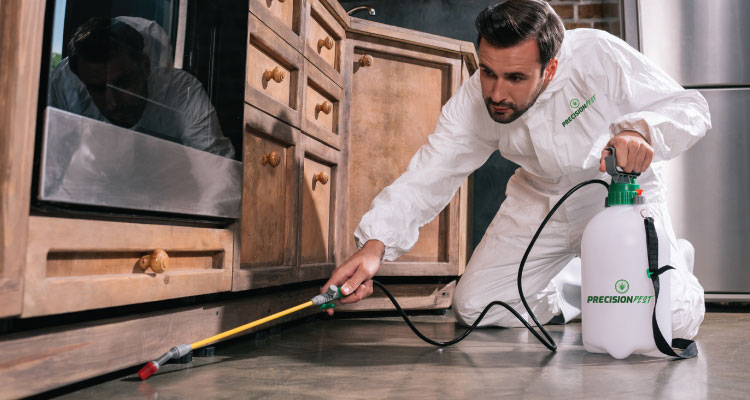
Precision Pest Control, serving the Seattle, Washington area, specializes in advanced pest management solutions designed to combat the city's unique pest challenges, influenced by its wet, maritime climate. Our expert services cater to both residential and commercial properties, effectively addressing Seattle-specific pests like moisture-loving termites, various rodents, and common urban insects, using eco-friendly and innovative approaches.


In Seattle, Washington, known for its lush landscapes and frequent rainfalls, we at Precision Pest Control have developed extensive expertise in managing the city's common pests. In our daily work, we encounter a variety of pests including moisture-loving termites, carpenter ants, different types of rodents like mice and rats, and a range of urban insects such as cockroaches and silverfish. Additionally, our experience extends to dealing with pests like spiders, wasps, and the ever-challenging bed bugs, all of which are well-adapted to Seattle's unique maritime climate. Our understanding of these pests, combined with our knowledge of Seattle's environment, allows us to offer effective, customized pest control solutions for both residential and commercial properties.
Pests we Specialize in Removing and Preventing









Pest Control Services from $57!
Schedule a FREE Estimate
Qualified and Trained Technicians

Proven Track Record and Reviews

Eco-Firendly and Safe Solutions

Transparent Pricing and Guarantee
Seattle, Washington, with its maritime climate and abundant rainfall, presents a unique set of challenges in pest management. The city's environment is particularly conducive to pests like moisture-loving termites and carpenter ants, which can cause significant damage to structures. Rodents such as mice and rats are also common, seeking shelter in homes and businesses, especially during the cooler, wetter months. In addition, Seattle's dense urban areas are a breeding ground for urban insects like cockroaches, silverfish, spiders, wasps, and the increasingly problematic bed bugs, which thrive in populated settings.
Precision Pest Control has earned its reputation as the top pest control service in Seattle by expertly navigating these challenges. Our approach is grounded in a deep understanding of the specific behaviors and needs of each type of pest, coupled with extensive knowledge of Seattle's unique environmental conditions. We utilize environmentally responsible methods and cutting-edge technologies to provide safe and effective pest control solutions. Our commitment to customer education and proactive prevention strategies ensures not only immediate relief but also long-term protection, making Precision Pest Control the most reliable and efficient choice for Seattle residents and business owners facing diverse pest issues.

See at Pest World!


See at Pest World!

Our Pest Control Service Locations
Florida
Arizona
Texas
Tennessee
Utah
Alabama
Hawaii
Pennsylvania
North Carolina
