Salt Lake City Pest Control - #1 in Pest Solutions ($57 Plans)
Precision Pest Control offers specialized pest management services for both residential and commercial clients in Salt Lake City, Utah, tailored to the unique challenges of this high-altitude city with its distinct seasonal climate. Our expertise in Salt Lake City includes effectively controlling local pests such as Utah carpenter ants, mountain rodents, and common household insects, ensuring a safe and pest-free environment for this bustling and scenic metropolitan area.


As Precision Pest Control, we are well-acquainted with the pest control challenges specific to Salt Lake City, Utah, a vibrant city nestled in the mountains with a unique high-altitude climate. In Salt Lake City, we expertly manage a range of pests adapted to this environment, including Utah carpenter ants, mountain rodents, cockroaches, spiders, termites, wasps, bees, and bed bugs. Our extensive experience with these pests, coupled with our customized approach to Salt Lake City's distinct seasonal conditions, enables us to provide effective, environmentally responsible pest management solutions for both residential and commercial properties, ensuring the safety and comfort of this picturesque and dynamic city.
Pests we Specialize in Removing and Preventing













Pest Control Services from $57!
Schedule a FREE Estimate
Qualified and Trained Technicians

Proven Track Record and Reviews

Eco-Firendly and Safe Solutions

Transparent Pricing and Guarantee
In Salt Lake City, Utah, set against a backdrop of stunning mountain scenery and characterized by its high-altitude climate, the range of pest challenges is as varied as the city's seasons. The cold winters can lead to an increase in indoor pests like mountain rodents and bed bugs seeking shelter, while the warmer months see a rise in outdoor pests such as Utah carpenter ants, wasps, and bees. Additionally, year-round pests like cockroaches, spiders, and termites are common, capable of thriving in both urban and suburban settings of Salt Lake City. These pests not only create discomfort among residents and businesses but can also pose significant health risks and threaten property integrity, necessitating efficient and effective pest control solutions.
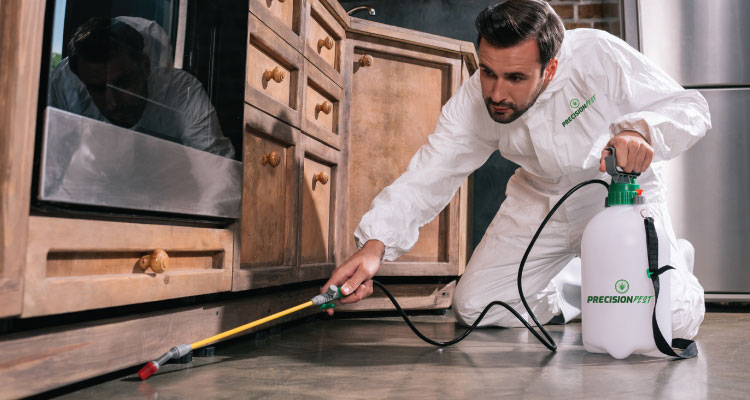
Precision Pest Control stands out as the premier pest management service in Salt Lake City due to our specialized understanding of the local pest population and their unique behaviors. Our approach involves developing targeted, environmentally friendly treatment plans that are specifically designed for the pests found in the Salt Lake City region. We use advanced pest control technologies and methods, ensuring both the effectiveness of our treatments and the safety of our clients. Our commitment to customer education and our focus on preventative strategies ensure not just immediate relief from pests, but also long-term protection for our clients' properties. This comprehensive and client-focused approach is why Precision Pest Control is the top choice for effective, reliable pest management in Salt Lake City.

See at Pest World!




See at Pest World!

Our Pest Control Service Locations
Florida
Arizona
Texas
Tennessee
Utah
Alabama
Hawaii
Pennsylvania
North Carolina
