Durham Pest Control - #1 in Pest Solutions ($57 Plans)
Precision Pest Control provides expert pest management services for both residential and commercial clients in Durham, North Carolina, specializing in combating the area's common pests like termites, ants, and mosquitoes, which thrive in the region's humid subtropical climate. Our localized approach in Durham ensures effective, environmentally responsible solutions tailored to meet the specific challenges of this dynamic Southern city.


At Precision Pest Control, we're well-acquainted with Durham, North Carolina's vibrant atmosphere and the diverse range of pests that this humid subtropical climate attracts. In Durham, we commonly tackle pests such as termites, known for their destructive impact on structures, ants, mosquitoes thriving in the humid environment, cockroaches, spiders, fleas, ticks, and rodents like mice and rats. Our expertise lies in effectively managing these pests, utilizing environmentally responsible techniques that are specifically tailored to the unique conditions and challenges of Durham.
Pests we Specialize in Removing and Preventing





Pest Control Services from $57!
Schedule a FREE Estimate
Qualified and Trained Technicians

Proven Track Record and Reviews

Eco-Firendly and Safe Solutions

Transparent Pricing and Guarantee
Durham, North Carolina, with its humid subtropical climate, provides a conducive environment for a wide variety of pests. Residents and businesses in Durham frequently encounter termites, which pose a significant threat to wooden structures, and ants, which are attracted to moisture and food sources. Other common pests include mosquitoes, thriving in the area's humidity, along with cockroaches, spiders, fleas, ticks, and rodents such as mice and rats. These pests not only cause discomfort and health concerns but also can lead to property damage, making effective pest control crucial.
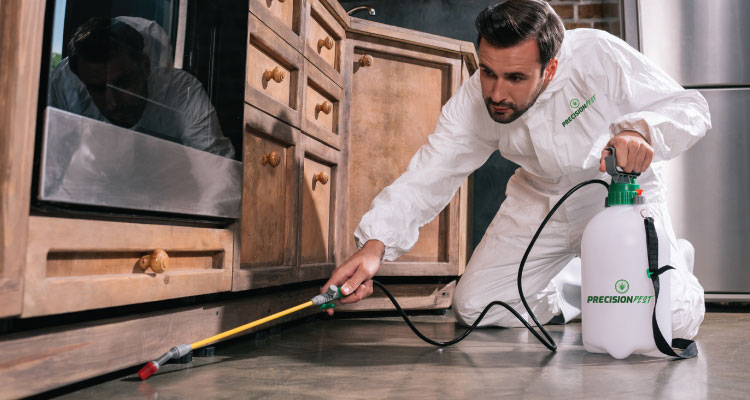
Precision Pest Control is recognized as Durham's premier pest management service due to our comprehensive understanding of the specific types of pests that inhabit the area and their behavior patterns. We employ advanced, eco-friendly methods, ensuring that our pest control solutions are both effective and safe for your family and pets. Our experienced team is trained in the latest techniques and is adept at both eradicating existing infestations and implementing preventive measures to avoid future issues. Our commitment to customer satisfaction, combined with our specialized local knowledge, makes Precision Pest Control the go-to choice for ensuring a pest-free environment in Durham.

See at Pest World!





See at Pest World!

Our Pest Control Service Locations
Florida
Arizona
Texas
Tennessee
Utah
Alabama
Hawaii
Pennsylvania
North Carolina
