Barns, Groves and Block Walls All Shelter Scorpions
Queen Creek is unusual for a fast-growing suburb because so much agriculture is still woven through it. Olive and pecan groves, horse and livestock properties, and remaining row crop ground all support the insect populations bark scorpions feed on. On the southern side the San Tan Mountains put open desert directly against newer subdivisions. Both halves generate calls, for different reasons.

On acreage and horse property the house is rarely where the problem starts. Tack rooms, feed storage, hay stacks, equipment yards and shaded barn slabs stay cooler and damper than the surrounding ground, and they concentrate the insects scorpions hunt. We inspect and treat those structures as their own zones rather than walking a perimeter around the residence and calling it done. Woodpiles and stacked block against a fence line get the same attention, because they are effectively purpose-built scorpion harborage.
The subdivision side of Queen Creek has the newer-construction problem common across the southeast Valley. The houses went up quickly and the sealing did not keep pace, so weep screed gaps, unsealed penetrations and open tile roof ends are routine. Closing them is a one-time job. Where a neighborhood borders an active grove or the San Tan boundary, we put the exterior line on that edge and step service up when ground is worked, then verify with a black light after dark.


Qualified and Trained Technicians
Having qualified, trained, and licensed technicians is crucial for effective scorpion control in Phoenix, as these arachnids require specialized methods for safe and thorough elimination. By ensuring expertise on the job, customers can trust that treatments are not only effective, but also environmentally responsible and safe for their surroundings.

Proven Track Record and Reviews
Our proven track record in Phoenix scorpion control stands as a testament to consistent effectiveness and client satisfaction over time. Phoenix residents can trust in a service that has repeatedly demonstrated its ability to address and resolve even the most challenging of scorpion infestations."

Eco-friendly and Safe Solutions
Utilizing eco-friendly and safe solutions ensures that while Phoenix scorpions are effectively controlled, the environment and your loved ones remain unharmed. Our commitment to sustainable practices means customers can enjoy a scorpion-free space without compromising the well-being of the planet or their family.

Transparent Pricing and Guarantee
With Precision Pest Control, there are no hidden costs or surprises. We provide upfront, transparent pricing, ensuring that our clients know exactly what they're getting. Furthermore, we stand by the quality of our work with a service guarantee. If the pests return within the guarantee period, so do we, and at no extra charge.


Why our team loves Phoenix!
Ever wonder why our company's such a big fan of Phoenix, Arizona? Well, it's a no-brainer for us. The city’s sports scene is top-notch. We're always backing the Phoenix Suns during hoops season and cheering on the Arizona Cardinals when they hit the gridiron. And let's not forget Spring Training – catching those games is an annual ritual for us.
But Phoenix isn't just about sports. We're talking Arizona State University, a hub of innovation and talent right at our doorstep. The iconic Camelback Mountain? Yep, that's our lunchtime hike. And when it comes to grabbing a bite, the local taco joints and eateries are second to none. Plus, places like the Desert Botanical Garden and Heard Museum make the city vibrant and culturally rich. Phoenix just feels like home to us, and we wouldn’t have it any other way!

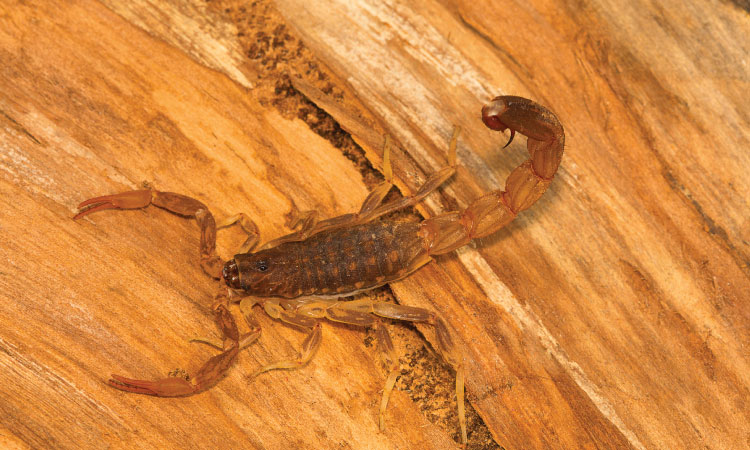
Phoenix, Arizona, is home to various scorpion species due to its desert environment. The most common and well-known among them is the Arizona bark scorpion, which also happens to be the most venomous in North America. However, there are several other scorpion species found in the area. Some of the scorpions you might come across in Phoenix include:
Arizona Bark Scorpion (Centruroides sculpturatus)
This is the most common and venomous scorpion in Phoenix. It's small and has a yellowish-tan color. Its sting can cause severe pain and other symptoms, especially in children or the elderly.
Stripe-tailed Scorpion (Paravaejovis spinigerus)
Also common in Phoenix, it's identified by dark stripes running the length of its tail. Its sting is painful but less dangerous than the bark scorpion's.
Desert Hairy Scorpion (Hadrurus arizonensis)
The largest scorpion in North America, it has a dark body and hairy appearance. Despite its intimidating size, its sting is less venomous than the bark scorpion's.
Giant Hairy Scorpion (Hadrurus hirsutus)
Similar to the desert hairy scorpion but found more in the Sonoran Desert.
Yellow Ground Scorpion (Vaejovis confusus)
Smaller in size and less commonly encountered.
Striped Back Scorpion
It's also found in the area but is less common.