Gilbert Paved the Fields. Scorpions Stayed.
Gilbert filled in fast, and the scorpion pressure still traces the farm ground underneath it. Newer neighborhoods south of Riggs Road sit against parcels that were alfalfa or dairy within living memory, and each new phase pushes what lived there toward the houses. In the older Heritage District, mature landscaping and decades of settling give scorpions a different set of ways in.

Where a Gilbert neighborhood backs onto a remaining field, a canal bank or a parcel waiting on a builder, that edge is the actual problem and the house is just the destination. We set the treatment and the exclusion work on that boundary rather than at each back door, which intercepts traffic before it reaches a patio. When ground gets disked or a field comes out, we step service up rather than holding a flat monthly schedule, because that is the week the animals move.
Closer to the original townsite the work changes shape. Homes there have forty or fifty years of settling behind them, some lots still flood irrigate, and mature citrus canopy touches roof lines. Scorpions climb, so a branch on a roof is a route, and a settled slab joint is another. We inspect for those specifically, seal what can be sealed, and confirm with a black light sweep at night. Daylight inspections in Gilbert are close to useless for this pest.


Qualified and Trained Technicians
Having qualified, trained, and licensed technicians is crucial for effective scorpion control in Phoenix, as these arachnids require specialized methods for safe and thorough elimination. By ensuring expertise on the job, customers can trust that treatments are not only effective, but also environmentally responsible and safe for their surroundings.

Proven Track Record and Reviews
Our proven track record in Phoenix scorpion control stands as a testament to consistent effectiveness and client satisfaction over time. Phoenix residents can trust in a service that has repeatedly demonstrated its ability to address and resolve even the most challenging of scorpion infestations."

Eco-friendly and Safe Solutions
Utilizing eco-friendly and safe solutions ensures that while Phoenix scorpions are effectively controlled, the environment and your loved ones remain unharmed. Our commitment to sustainable practices means customers can enjoy a scorpion-free space without compromising the well-being of the planet or their family.

Transparent Pricing and Guarantee
With Precision Pest Control, there are no hidden costs or surprises. We provide upfront, transparent pricing, ensuring that our clients know exactly what they're getting. Furthermore, we stand by the quality of our work with a service guarantee. If the pests return within the guarantee period, so do we, and at no extra charge.


Why our team loves Phoenix!
Ever wonder why our company's such a big fan of Phoenix, Arizona? Well, it's a no-brainer for us. The city’s sports scene is top-notch. We're always backing the Phoenix Suns during hoops season and cheering on the Arizona Cardinals when they hit the gridiron. And let's not forget Spring Training – catching those games is an annual ritual for us.
But Phoenix isn't just about sports. We're talking Arizona State University, a hub of innovation and talent right at our doorstep. The iconic Camelback Mountain? Yep, that's our lunchtime hike. And when it comes to grabbing a bite, the local taco joints and eateries are second to none. Plus, places like the Desert Botanical Garden and Heard Museum make the city vibrant and culturally rich. Phoenix just feels like home to us, and we wouldn’t have it any other way!

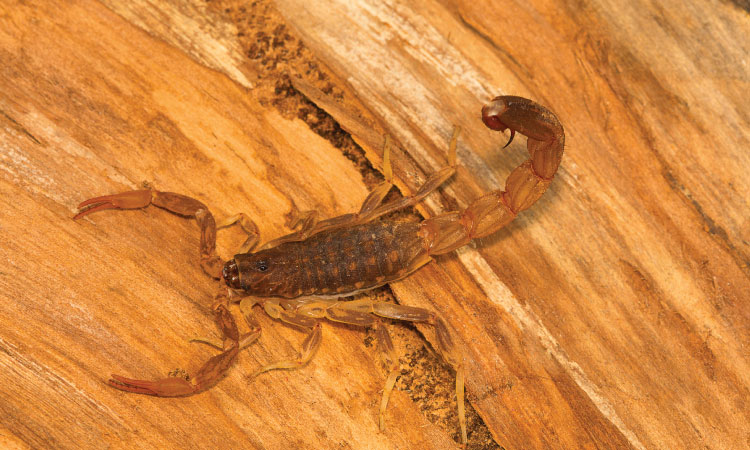
Phoenix, Arizona, is home to various scorpion species due to its desert environment. The most common and well-known among them is the Arizona bark scorpion, which also happens to be the most venomous in North America. However, there are several other scorpion species found in the area. Some of the scorpions you might come across in Phoenix include:
Arizona Bark Scorpion (Centruroides sculpturatus)
This is the most common and venomous scorpion in Phoenix. It's small and has a yellowish-tan color. Its sting can cause severe pain and other symptoms, especially in children or the elderly.
Stripe-tailed Scorpion (Paravaejovis spinigerus)
Also common in Phoenix, it's identified by dark stripes running the length of its tail. Its sting is painful but less dangerous than the bark scorpion's.
Desert Hairy Scorpion (Hadrurus arizonensis)
The largest scorpion in North America, it has a dark body and hairy appearance. Despite its intimidating size, its sting is less venomous than the bark scorpion's.
Giant Hairy Scorpion (Hadrurus hirsutus)
Similar to the desert hairy scorpion but found more in the Sonoran Desert.
Yellow Ground Scorpion (Vaejovis confusus)
Smaller in size and less commonly encountered.
Striped Back Scorpion
It's also found in the area but is less common.